 Eastern Africa · Africa
Burundi
Discover Burundi - a tiny highland nation with sacred royal drums, the southernmost source of the Nile, and Lake Tanganyika's ancient waters.
Where Is Burundi?
Burundi is a country in Eastern Africa. Gitega is the political capital and Bujumbura the economic capital and largest city.
- Capital Gitega (economic capital: Bujumbura)
- Population 14.4M
- Area 27,834 km²
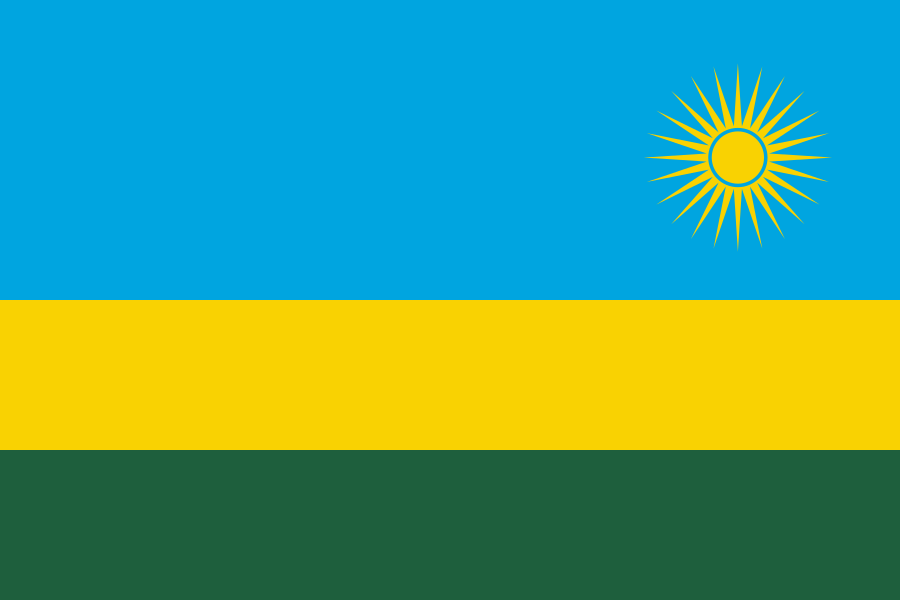
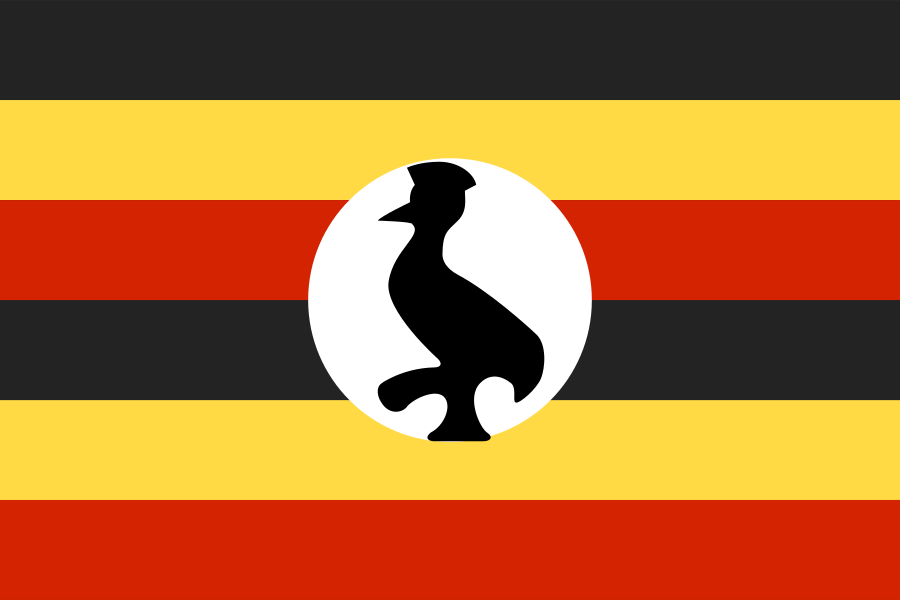
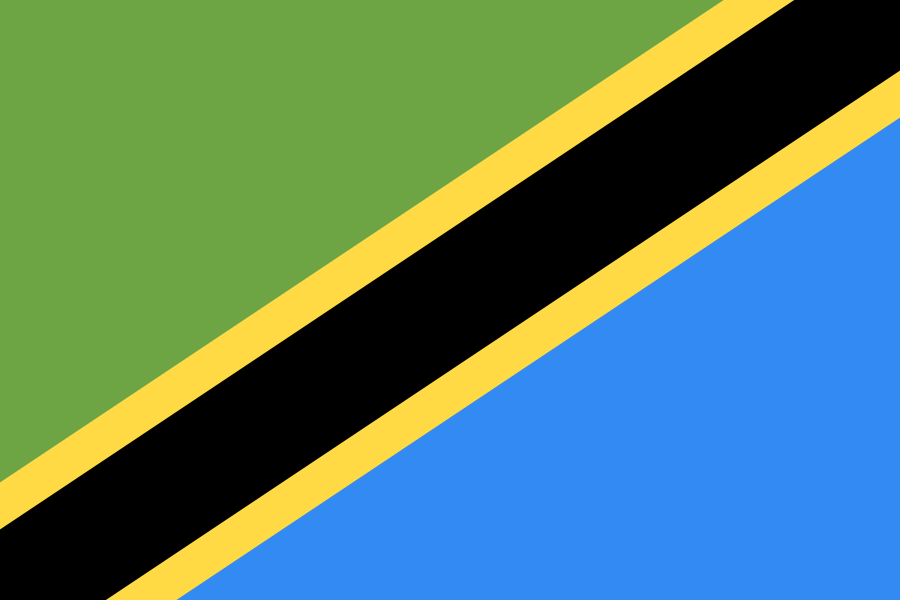
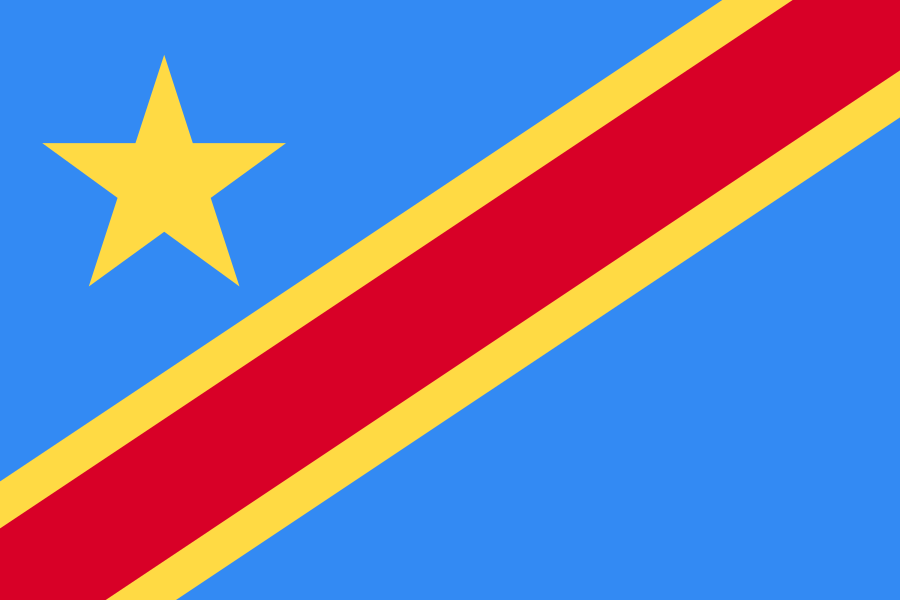
Burundi is one of the smallest and most densely populated countries in Africa, a tiny highland nation of green hills and deep valleys tucked between the Democratic Republic of Congo, Rwanda, and Tanzania. It shares much of its history with neighboring Rwanda - both were Tutsi-led kingdoms colonized by Germany and then Belgium, and both suffered devastating ethnic violence in the 1990s. But Burundi has largely faded from international attention, making it one of the most overlooked countries on the continent.
What makes Burundi unforgettable is its drumming tradition. The Royal Drummers of Burundi, known as the Karyenda, perform with a power and precision that has to be experienced. Their tradition was inscribed on UNESCO's Intangible Cultural Heritage list. Burundi also claims one of the southernmost sources of the Nile River, at a spring in Rutovu in the south. Lake Tanganyika, the world's second-deepest lake and the longest freshwater lake on Earth, forms its entire western border, offering sandy beaches and cichlid fish found nowhere else on the planet.
At a glance
Largest cities in Burundi
Bujumbura
Gitega
Ngozi
Famous people from Burundi
Royal Drummers of Burundi
MusicLegendary percussion ensemble whose thunderous performances are a UNESCO Intangible Cultural Heritage, touring internationally since the 1960s
Venuste Niyongabo
SportWon Burundi's only Olympic gold medal in the 5000 meters at the 1996 Atlanta Games
Francoise Nibizi
MusicCelebrated singer who helped preserve and modernize traditional Burundian musical styles
Traditional cuisine of Burundi
- Boko Boko
- Hearty porridge made from cracked wheat and shredded meat, slow-cooked until the flavors meld together
- Mukeke
- Grilled Lake Tanganyika fish served with fried plantains and chili sauce, the freshwater catch of the day
- Ibihaza
- Mashed pumpkin dish mixed with beans, a simple but nourishing combination eaten across the highlands
- Brochettes
- Grilled meat skewers of goat or beef served with fried bananas and chili, the ubiquitous Burundian street food
Nature and landmarks in Burundi
- Lake TanganyikaLake
- Second-deepest lake in the world at 1,470 meters and the longest freshwater lake, home to hundreds of unique cichlid species
- Kibira National ParkNational Park
- Montane rainforest on the Congo-Nile divide, home to chimpanzees, colobus monkeys, and over 200 bird species
- Source of the Nile (Rutovu)Landmark
- A spring at Rutovu in southern Burundi claimed as one of the southernmost sources of the mighty Nile River
- Rusizi National ParkNational Park
- Wetland park at the Rusizi River delta where it flows into Lake Tanganyika, with hippos, crocodiles, and migratory birds
Sports in Burundi
- Football
- The Swallows qualified for the 2019 Africa Cup of Nations for the first time in the country's history
- Athletics
- Venuste Niyongabo won Burundi's only Olympic gold medal in the 5000m at Atlanta 1996, a national hero
Did you know?
The Royal Drummers of Burundi have been performing for centuries and their tradition is recognized by UNESCO as Intangible Cultural Heritage
Burundi claims one of the southernmost sources of the Nile River at a spring in Rutovu in the south of the country
Lake Tanganyika along Burundi's western border holds about 16% of the world's available fresh surface water
Burundi moved its capital from lakeside Bujumbura to the inland city of Gitega in 2019
The country is one of the most densely populated in Africa, with over 12 million people in an area smaller than Maryland
Can you find Burundi on a map?
Drop a pin where you think it is and see how close you got. A few rounds and you will place Burundi and its neighbours without a second thought.