Oran is the Algerian city that has been handed around the most. Berbers founded it around 900, the Spanish took it in 1509 and held it, with a break, until an earthquake in 1790 made it not worth the cost, and the French arrived in 1831 and built the boulevards you walk today. Before the Algerian War it had one of the highest shares of Europeans of any city in North Africa. The name is said to come from a Berber expression meaning "place of lions", and two bronze lions guard the city hall.
It is a port with a fort on a mountain, a Spanish-era quarter at its foot, a French downtown with a cathedral that is now a library, and a seafront modeled on Nice's. It is also where raï music began, among poor singers in the cabarets of the 1920s, and that story is the best way to understand its character: mixed, irreverent and slightly outside the rules. Three days is the right length: two for the city and the coast, and one for Tlemcen, the old Zayyanid capital in the hills, which is a long day on its own.
Day one is downtown, the museum and the seafront, day two the old quarter, Santa Cruz and the beaches west of the city, and day three the day trip to Tlemcen. Start on a Sunday: Algeria's weekend is Friday and Saturday, so all three days are working days, and Tlemcen lands on a Tuesday, when its cable car runs. For the country as a whole, see Algeria. If you also visit the capital, 5 Days in Algiers covers it, and Oran is 432 km to its west.

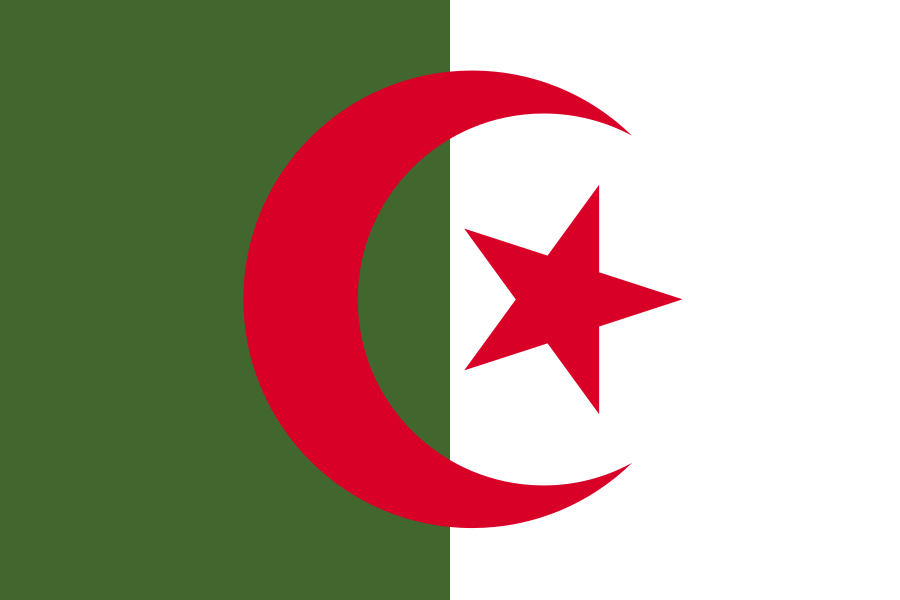 Algeria


