Ljubljana is small enough to cross on foot in half an hour, and it knows how to use that. The Romans had a town here called Emona, the Habsburgs ran it as the capital of Carniola until 1918, and a severe earthquake in 1895 hit a city of about 31,000 people. The rebuilding left Vienna Secession buildings like the Dragon Bridge, and then came the man who shaped the rest: the architect Jože Plečnik, who spent decades redesigning bridges, riverbanks, a market and a library until the city looked like one person's idea of how a capital should feel.
It is a city for slow days. Cars have been kept out of the center since 2007, the river is lined with cafe tables, and the castle is a short ride up a hill. Three days covers the sights. Five lets you see Plečnik properly, walk up Rožnik, spend a night at Metelkova, and still leave two days for the things nobody should skip: Lake Bled and Postojna Cave. The second day trip is a choice. Postojna with Predjama Castle won over Škocjan Caves and Piran because it is about 50 km away with regular trains, it works in any weather, and it is the one trip here that is as good in January as in July.
The plan keeps each day in one part of town. Day one is the Old Town and the castle, day two is Plečnik's Ljubljana and the Central Market, day three is Tivoli, the brewery, the National Gallery and Metelkova, day four is Lake Bled, and day five is Postojna and Predjama. Start on a Thursday: day two then lands on a Friday, when the market and, from spring to autumn, Open Kitchen are at their best, and the Plečnik House and the National Gallery, which close on Mondays, are both open on your museum days. It is the doorway to Slovenia, and if you want snow, Kranjska Gora is the ski option nearby.

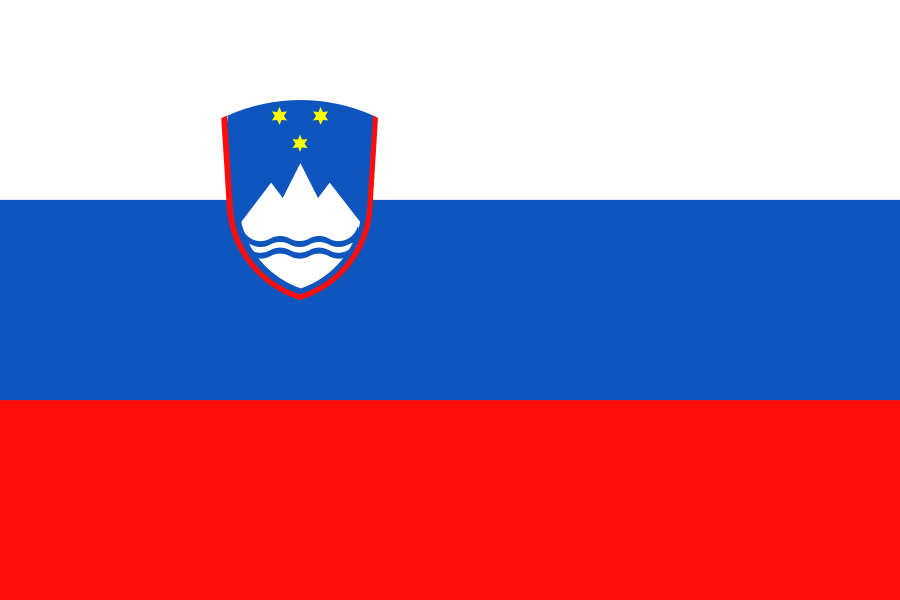 Slovenia


