Valletta was built in a hurry by people who had just survived a siege and meant to make sure it never happened again. The Knights of St John held out against the Ottomans in the Great Siege of 1565, and the Grand Master Jean de Valette laid the first stone of a new fortress city on the empty Sciberras peninsula on 28 March 1566. Streets on a strict grid, bastions up to 47 meters high, a capital by 1571. At 0.61 square kilometers it is the smallest capital in the EU, and UNESCO listed it in 1980.
It's a city you walk in half a day and still can't finish. Inside the walls it's Baroque churches, palaces and steep stepped side streets. Outside them, within an hour by bus, are prehistoric temples older than the pyramids, a Roman catacomb, a walled old capital with 242 inhabitants, a fishing village with a Sunday fish market, and a second island. Malta is small enough that you never need to change hotels, and that is the reason to give it five days: you sleep in one place and spend the days fanning out from it.
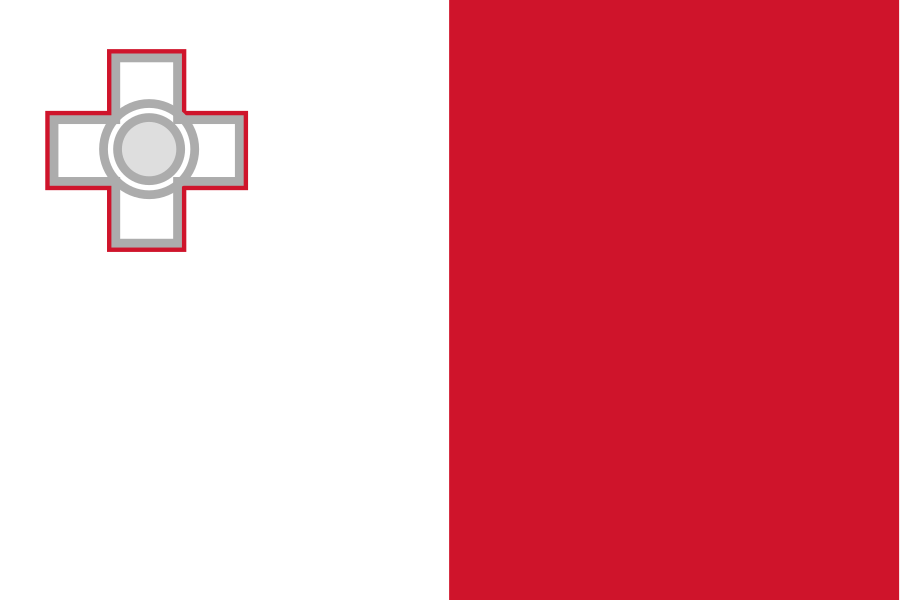
The plan is a Valletta day first, then the harbor across the water and the underground temple, a Friday in the old capital Mdina and the cliffs, a Saturday on Gozo and Comino, and a Sunday in the south at the fish market and the sea caves. The order is built for a start on a Wednesday: St John's Co-Cathedral and the Palace are open, the Saluting Battery fires, and Sunday lands on Marsaxlokk's market. Everything about the country itself, from language to history, is on the Malta page.

 Malta


