Jeddah has been the front door to Mecca for about 1,400 years. According to the usual account, the caliph Uthman made it the port for pilgrims around 647, and for centuries everything and everyone heading for the holy city came ashore here: spices, pearls, merchants and, above all, pilgrims. The merchants built tall houses of coral stone with carved wooden balconies, and that old town, Al-Balad, has been on the UNESCO World Heritage list since 2014. It is the best reason to come, and the reason Jeddah feels so different from the capital.
The city today is the kingdom's second largest, with about 3.7 million people (2022 census), strung along the Red Sea for roughly 30 km. It's generally described as more relaxed than Riyadh: a real seafront where people walk in the evening, open-air sculptures on the roundabouts and reefs an hour out by boat. It's also the starting point for two places that are closed or limited for non-Muslims. Mecca is forbidden, and Medina is a gray area covered below. Three days is the right length: one for the old town, one for the Corniche, one on the sea, with Taif and the Haramain train for a fourth.
The plan runs from old to modern to wild. Day 1 is Al-Balad, with the souqs, Nassif House and the teamLab museum. Day 2 is the Corniche: King Fahd's Fountain, an Islamic art museum, the sculptures and the Floating Mosque at sunset. Day 3 is a boat trip to the reef, then Jeddah Tower and a beach afternoon. Start on a Saturday: Friday is the Saudi rest day and slow until the afternoon, Nassif House may be shut on Friday, and teamLab is closed on Monday, which is Day 3. More about the country is on the Saudi Arabia page, and if you're also going to the capital, read 3 Days in Riyadh.
Before you book. The UK government's travel advice currently advises against all but essential travel to Saudi Arabia, citing Houthi missile and drone attacks, a heightened threat to airports and ports including Jeddah's, and a threat to Red Sea shipping (checked 10 November 2026, last updated 27 October). Check your own government's advice, your insurance and your flight status before you pay for anything. Visitors need a visa or travel authorization, women don't have to wear an abaya or a headscarf but everyone covers shoulders and knees, and alcohol is illegal. Prices are in Saudi riyals (SAR) with USD and EUR in brackets.

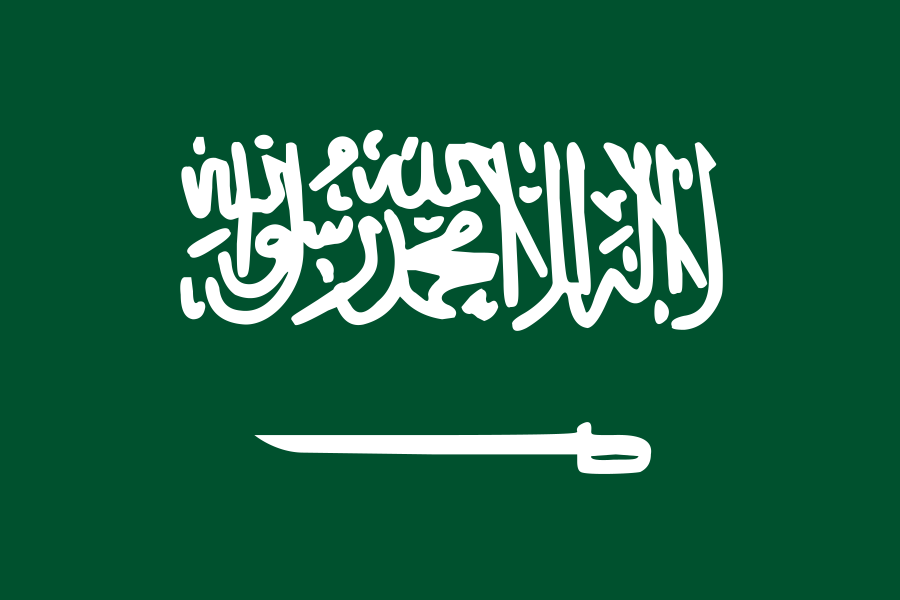 Saudi Arabia


